
Environment
Tropical

Light
Optional

Temperature
65-85 °F

Humidity
55-70%

Most Active
Nocturnal

Lifespan
2-3 years
Size:
Isopod sizes vary by species. However, adults all tend to range from .25-.75 inches. Armadillidium are some of the most common in the pet trade and tend to max out at .50-.75 inches. There are also other species of dwarf isopods that grow to around .25 inches.
Lifespan:
In captivity, with proper care, Isopods can live 2-3 years or more. However, it is not uncommon for them to reach 5 years or more in captivity.
Enclosure:
When designing your Isopods enclosure make sure to remember that they are native to tropical, humid regions. Isopods are mainly used as a cleanup crew for bioactive terrariums, as such, they do not have a specific size requirement for enclosures. For personal breeding or when kept as pets, isopods can be easily housed in plastic containers with holes drilled for ventilation or glass tanks. It is generally recommended to keep different subspecies separate to monitor health and avoid any conflicts that may arise from larger or more aggressive species monopolizing the resources.
Temperature & Humidity
Isopods thrive in room temperature settings (65-85 degrees Fahrenheit). During the day temperatures can reach into the mid 80s and drop to the low 60s at night. More than a few hours at 95+ degrees or above can be deadly. Make sure to monitor your enclosure temperatures for a couple days in a row before adding your isopods and keep them out of direct sunlight. Remember that if you decide to run lights for live plants, the heat emitted from the lights will increase the temperature by a couple degrees.
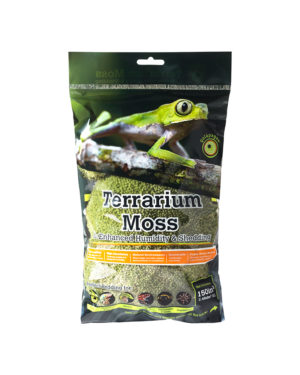
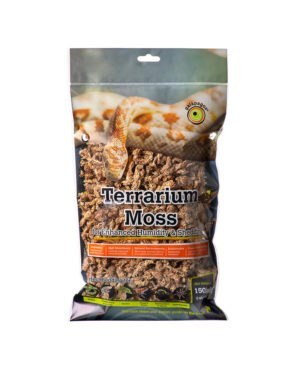
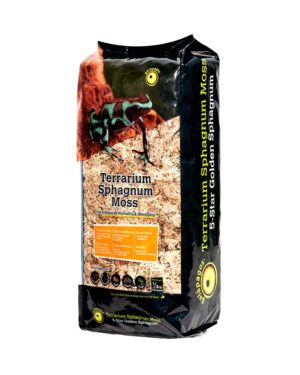
Humidity should be kept around 55-70 percent at all times. Mist as needed to keep the proper humidity. One of the best ways to maintain humidity is by using a large amount of golden sphagnum moss. Golden sphagnum moss is one of the highest quality mosses that holds humidity better than any other moss and is very mold resistant.
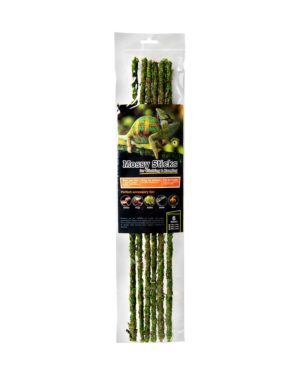
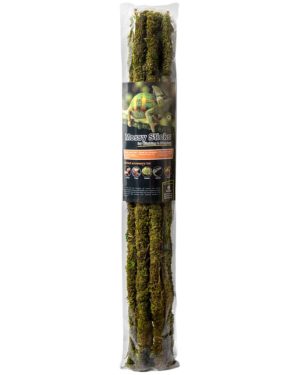
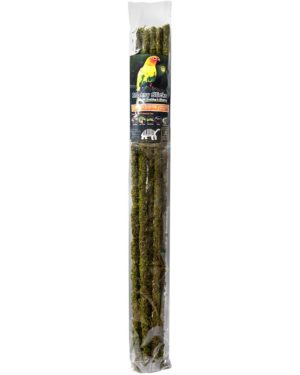
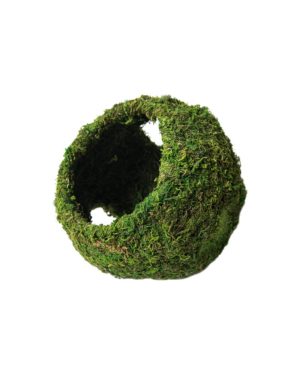
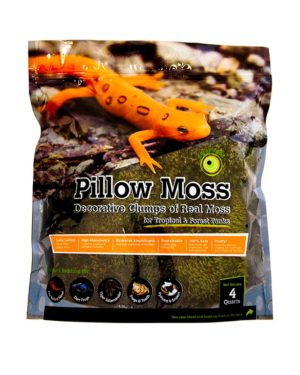
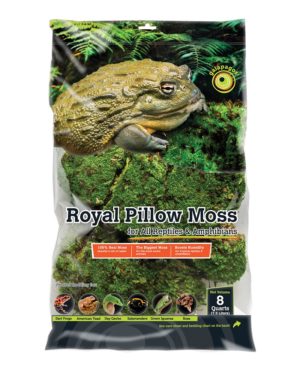
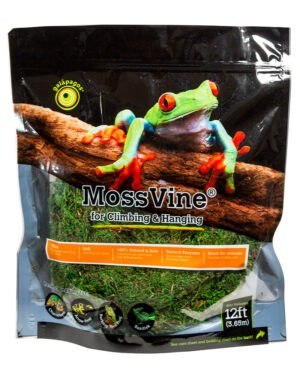
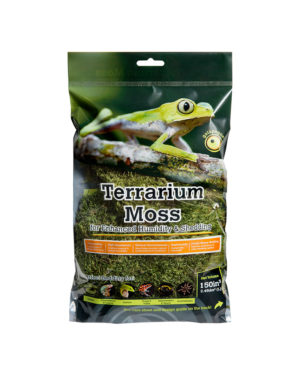
Another great way to help control and maintain humidity and make your isopod’s enclosure more natural is with additional mosses and live plants. Green sphagnum moss, royal pillow moss, sheet moss, pillow moss, bromeliads, and ferns are all excellent at storing and maintaining humidity.
Lighting
There is no special lighting needed for isopods. However, if you decide to do live plants you will need to research what kind of lights you need for the specific plants. Only use the lights for a maximum of 12 hours as too much light can cause stress.
Feeding
Isopods are detritivores, meaning they strictly consume dead organic material. This makes them one of the most important contributors of their ecosystems.They will eat and break down decaying leaves, woods, and vegetation which can help prevent mold, fungus, and other harmful bacteria from forming. For breeder colonies or pet isopods, a complete powder diet specifically tailored for isopods (e.g. Morning Wood by Repashy) is recommended as it contains all the needed nutrients for your isopod’s health.
Change the isopods food every 1-2 days to avoid mold and bacteria growth. Most powder diets recommend 2 parts water 1 part powder with the consistency and thickness of a fruit smoothie.
Substrate
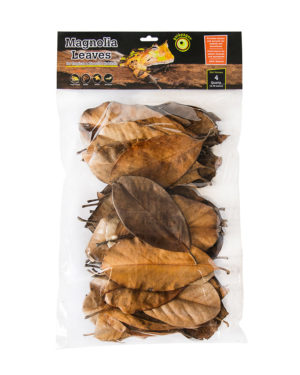
Isopods do well on a variety of different substrates. There are several types of soil mixes but bioactive, ABG mixes, and coconut soil mixed with golden sphagnum moss are some of the most common. These mixes are also great naturalistic substrate options that help maintain and control humidity. Adding on leaf litter for isopods is a great idea as it provides shelter, humidity, and a food source for the isopods. No matter what substrate you decide to use make sure to keep an eye on humidity as too much or too little can cause problems.
Hides
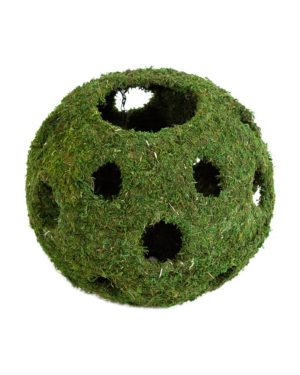
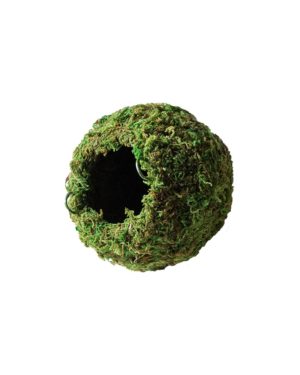
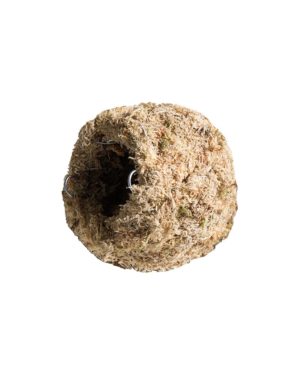
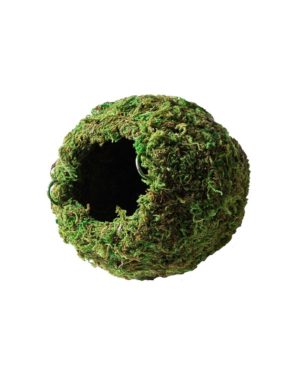
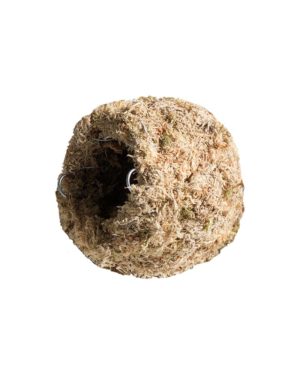
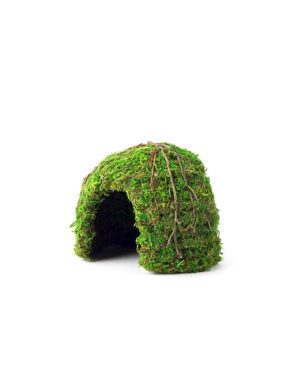
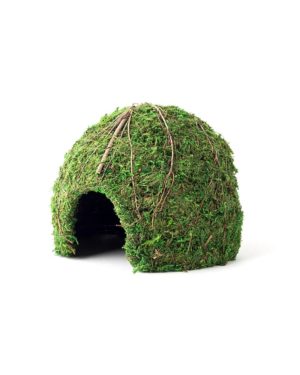
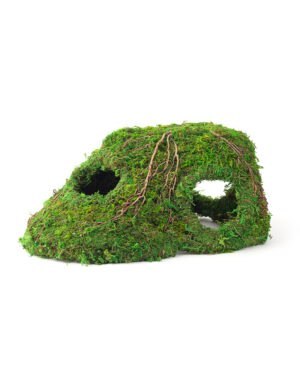
Providing multiple safe hiding places for your isopod is extremely important to the overall health of your isopod. Isopods need a secure, dark cave or hide that they can retreat to in order to reduce stress and feel safe. Plants and hides can be used to accomplish this along with leaf litter. The plants and leaves that make up the foliage can be fake or live depending on your personal preference but live is recommended as it will provide isopods with food when decaying.
Decor
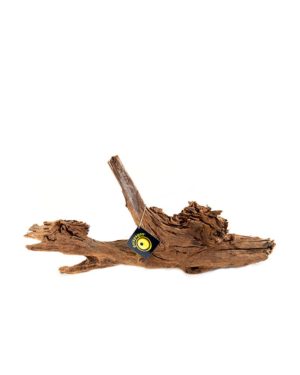
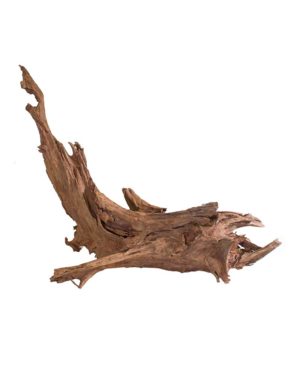
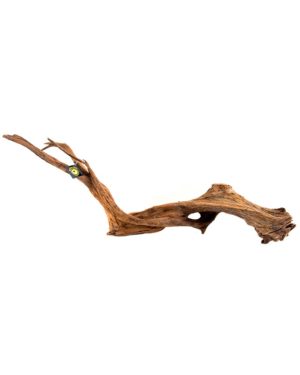
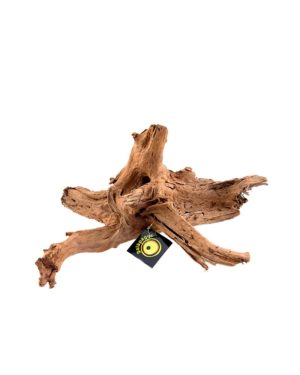
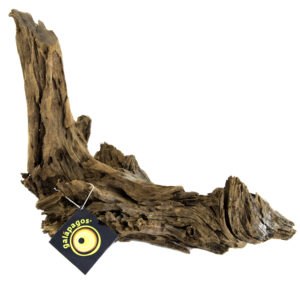
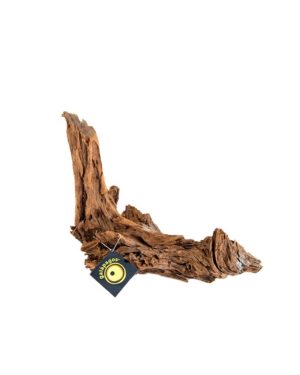
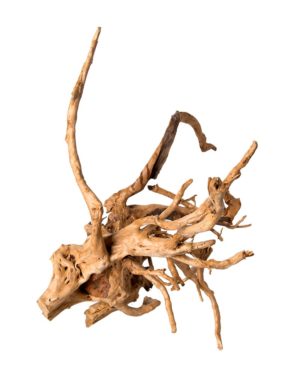
After the necessities, isopod enclosures can have any variety of decor that help to add enrichment. Spider Wood, Manzanita, and Driftwood are popular additions that act as a centerpiece and anchor for a variety of plants and other accessories. Natural stones, mosses, and plants are also a great addition for general stimulation and enrichment with the added benefit of a naturalistic look.
Interesting Facts:
- There are over 10,000 species of isopods worldwide with around 4,500 species found in marine environments, 500 species in freshwater, and 5,000 terrestrial species. Of the 5,000 terrestrial isopods species, around 100 are kept in the pet trade.
- Terrestrial isopods use modified lungs, called pseudotrachea, for respiration that must remain moist to function. This is in place of a waxy cuticle that many other terrestrial arthropods have, such as spiders and other insects.
- Some species of marine isopods, giant isopods belong to the Bathynomus genus, can get massive in size with averages of 8-12 inches.
- There was even one in 2010 that was 2.5 feet long!
- They are known as Roly-Polys as one of their defense mechanisms is to roll into a ball to protect their soft underbelly as well as conserve moisture.